


Detection Systems
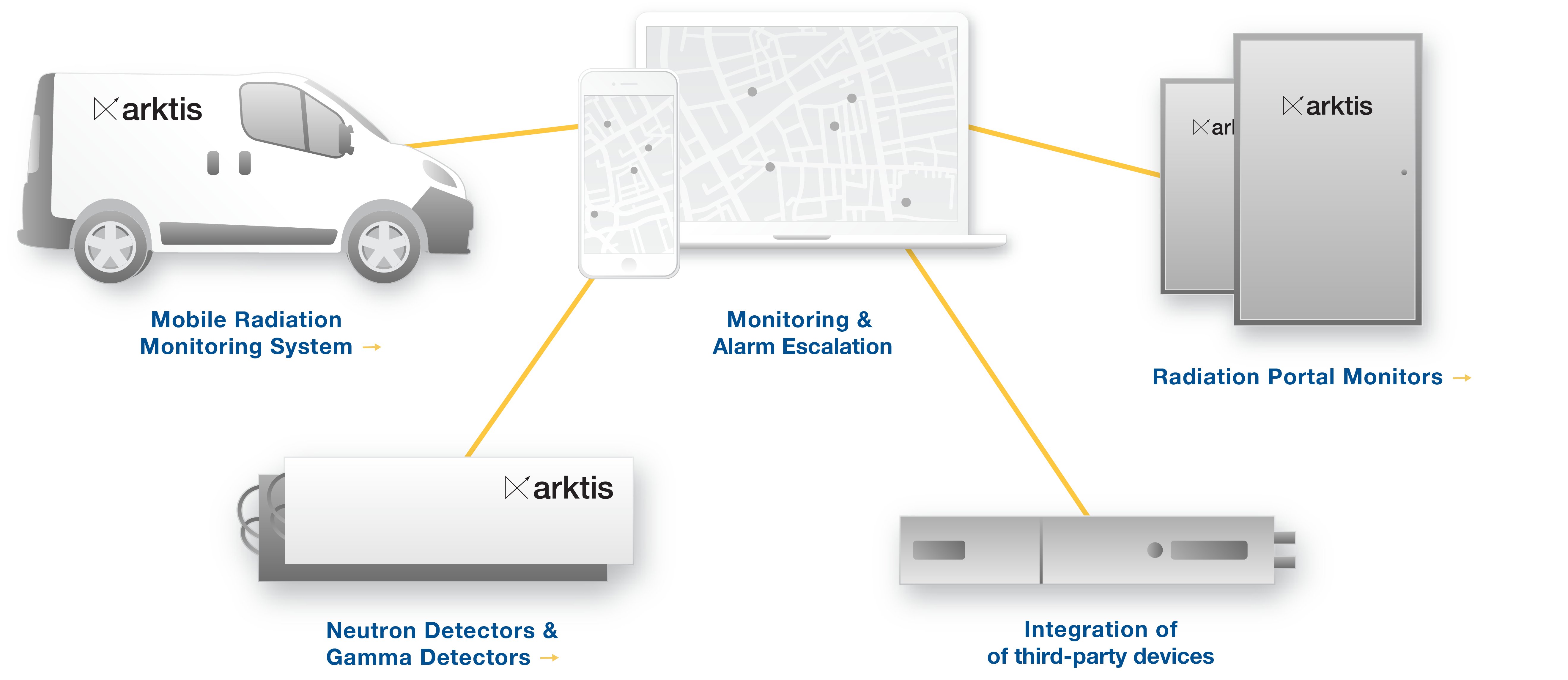
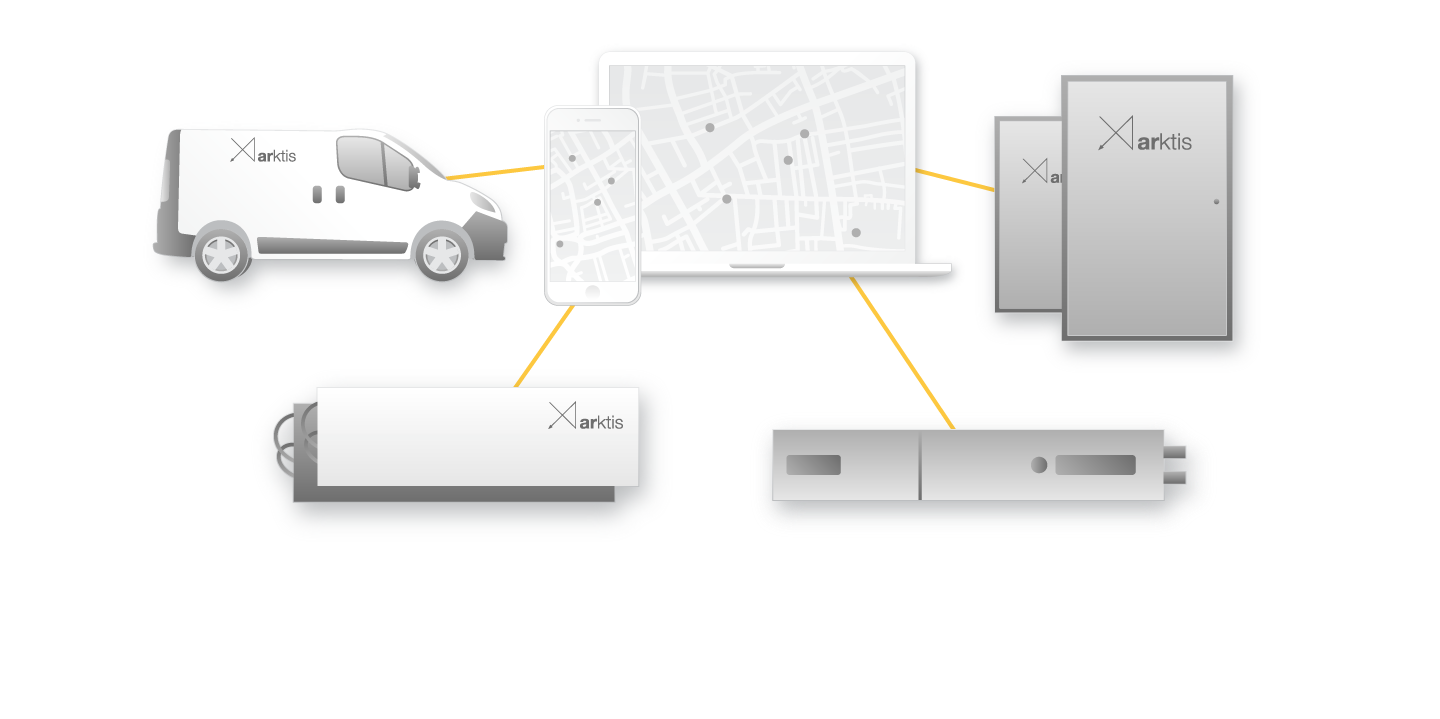
We offer standalone detection systems (fixed, relocatable, portable and van-mounted), detectors and detection components. The detectors and detection systems can be integrated into networked detection infrastructure to monitor large areas. Arktis' systems and detectors can also be leased or rented.
The Arktis software architecture is designed to ensure optimal integration for detection systems with third party infrastructure and software. Arktis' hardware and software modules are designed to be flexible, scalable and upgradable. Company culture and organization is designed to promote collaborative working across mixed teams with special emphasis on close links with research establishments in the US, Europe and around the world.
Key Features
- Enhanced threat detection
- Accurate categorization and rejection of Naturally Occurring Radioactive Materials (NORM)
- Minimal false alarms from background radiation
- Performance fully compliant with international standards (e.g. ANSI)
- Flexible, modular hardware and software architecture
Networked and Standalone Detection Systems
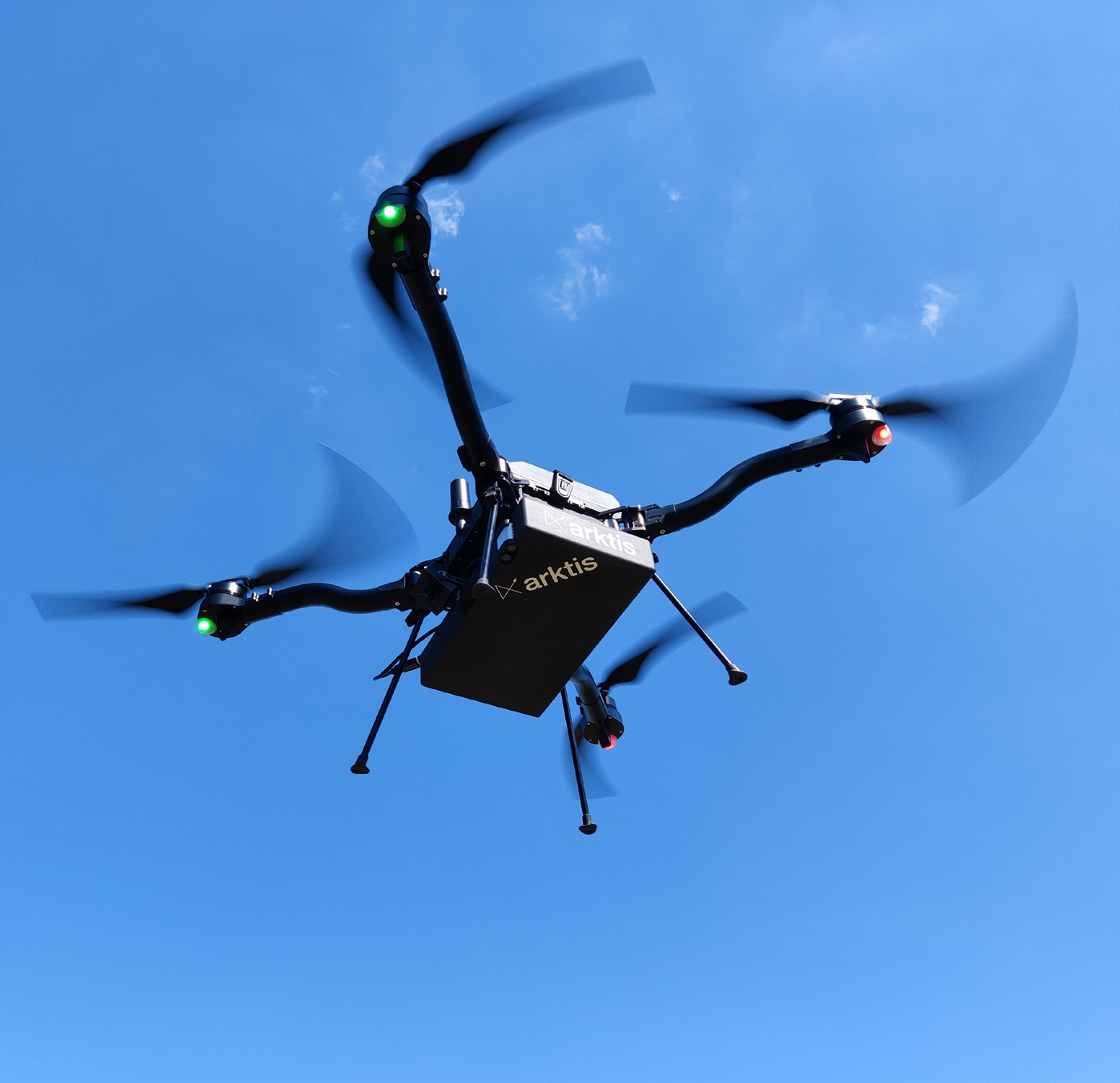
Arktis «Airborne» FPG Radiation Detection Drone
The Arktis FPG radiation detecting drone can map an area of 100’000 m2 in a single flight of 20 minutes. The system is about 50 x more sensitive than typical drone-based detectors.
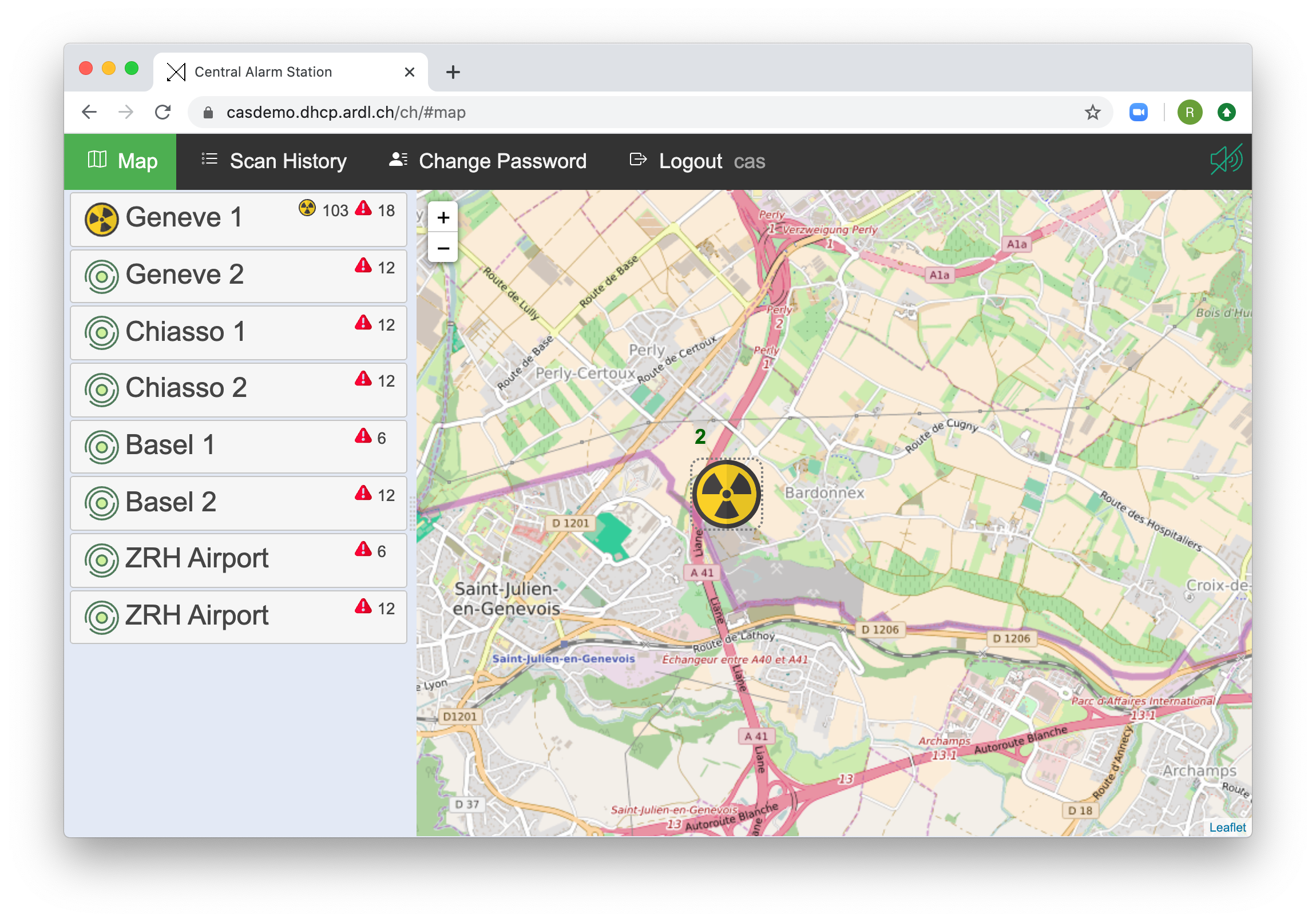
Arktis CAS – Central Alarm Station
The Arktis CAS – Central Alarm System – offers an optional and separate GUI, the CAS GUI, which provides a centralised view of a number of RPMs at different locations – be it stationary or mobile systems. The CAS GUI aggregates several data streams and presents live data in an intuitive fashion on a map (GIS), reflecting the actual geographical position. RPM measurements, such as current count rate, are updated in near real time and alarms clearly marked visually and acoustically. Furthermore, the CAS GUI presents a collective view of stored scans, offering elaborate sorting and filtering control.
Radiation Detection Systems
Radiation Portal Monitors
Fixed and relocatable Radiation Portal Monitors for pedestrian, vehicle and cargo screening
Mobile Radiation Monitoring System
Mobile detection vans for area monitoring, source searches and intelligence-driven applications
Networked Detection Systems
Networks of static and mobile radiation detection systems for area monitoring, mass events and critical infrastructure
Neutron and Gamma Detectors
In addition to integrated detection systems, Arktis also designs and manufactures proprietary detectors for research and industry.
Neutron Detectors
Large area neutron detectors (M800 neutron counter) and combined thermal and fast neutron detectors with energy information and timing (S670 & S670e)
Gamma Detectors
Flat panel gamma detectors (FPG): Compact and modular; flexible and scalable slab design